House Clearance in Aldershot
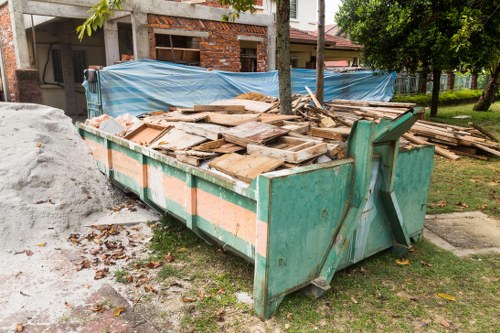
We provide house clearance in Aldershot for homes that need rooms, lofts, garages or entire properties cleared in a careful, orderly way. The service is built around practical removal work: sorting items, lifting furniture, separating reusable pieces from general waste and leaving the property ready for its next stage. If you need a straightforward clearance for a moving date, a renovation schedule or the settlement of a household, our team can handle the work with clear communication and a sensible plan.
Our approach is suited to a wide range of domestic situations, from a few bulky items to a full property clearance. We can help with furniture removal, appliance clearance and the clearance of mixed household contents where different materials need to be dealt with properly. The aim is not to overcomplicate the job: we focus on what needs to go, what can be kept aside and how the work should be completed safely and efficiently. If you are comparing options, start with the spaces that matter most and decide what should remain on site.
For customers who want a clearer idea of scope and cost, we can discuss the work in stages and explain the main factors that shape the quotation. Room count, item volume, access, sorting requirements and the presence of heavy or awkward items all affect the amount of labour involved. A well-prepared description of the property is usually enough to begin, and it helps to note whether anything needs special attention, such as stair-only access, fragile contents or items that must stay in place.
Clearance for Whole Houses and Specific Rooms
We carry out complete house clearance work where the entire property needs to be emptied, but we also handle targeted jobs when only one part of the home is ready for clearance. That might include bedrooms, living rooms, dining rooms, kitchens or storage areas. This kind of flexible service is useful when a property is partly occupied, when a sale is approaching, or when you want one area dealt with before another. The work can be arranged to suit the order that best fits the household.
Our domestic clearance work covers everyday household contents as well as larger pieces that need careful removal. Typical items include wardrobes, beds, sofas, tables, cabinets, white goods and general stored belongings. Where suitable, we separate out items that can be reused or directed into appropriate waste streams rather than treating everything as a single mixed load. A sensible clearance plan protects the remaining parts of the property and reduces the risk of damage during removal.
When a property contains many different types of item, it helps to think in categories before the work begins. A practical order is often:
- keep
- clear
- separate for reuse
- remove for disposal
Furniture, Fixtures and Bulky Item Removal

Bulky items often make the difference between a room that can be used and one that remains blocked. We remove furniture as part of house clearance when pieces are no longer needed, too large for the new layout or unsuitable for moving elsewhere. That includes items such as sofas, beds, mattresses, wardrobes, shelving units and tables, along with other large domestic furnishings that need dismantling or careful handling before they can be taken away.
Where possible, furniture is assessed for reuse or material recovery, but the main focus remains safe removal. Some items can be moved in one piece, while others need partial dismantling to pass through hallways, stairwells or narrow entrances. Our team works with the space available and takes care not to disturb floors, walls or nearby belongings more than necessary. This is especially helpful in occupied homes or in properties where only certain rooms are being cleared.
Furniture clearance can also be part of a wider domestic reset after downsizing, decluttering or preparing a property for refurbishment. If there are items that should be left until a later stage, it is sensible to separate them before the work starts. That simple step reduces avoidable lifting and keeps the focus on the items that genuinely need to leave the property. In larger clearances, this often saves time and makes the whole job more orderly.
Lofts, Garages and Storage Areas
House clearance is not only about the obvious rooms. Lofts, garages, cupboards and other storage areas can hold years of packed belongings, and those spaces often need a different approach from regular living rooms. We clear loft spaces, garage contents and mixed storage items where access can be awkward and the load may include boxes, old equipment, seasonal items and long-kept household goods. These areas usually require patience and a sensible sorting order.
Storage clearances can involve more decision-making than a standard room because items are often piled together over time. Some loads contain furniture, tools, suitcases, paper records, decorations and broken household goods all in one place. The work is easier when the contents are examined in groups rather than all at once. We can remove the clear-out items, leave anything still needed and help keep the process steady rather than rushed.
There is also a practical benefit to tackling these spaces early in a wider house clearance. Once the loft or garage is emptied, access around the rest of the property may become easier and the overall task can feel less crowded. Hidden storage often holds the largest volume of unwanted items, so dealing with it properly can make a substantial difference to the result. It also creates a cleaner line between items that are staying and items that are leaving.
Planning a Clearance and Preparing the Property
Good house clearance work depends on clear information rather than long explanations. Before the visit or collection is arranged, it is helpful to note the rooms involved, the approximate amount of contents, any heavy or awkward items and whether there are access restrictions such as narrow stairs or limited parking. This does not need to be a perfect inventory, but a practical overview helps shape the work and avoid unnecessary delays. When the property is occupied, it is also useful to identify any items that should not be moved.
The most useful preparation is usually simple. Keep aside any documents, personal records, valuables and items you may wish to retain, then group the remaining contents by room or by type if possible. If there are items that need special handling, mention them clearly so the clearance can be planned around them. Small amounts of preparation can make a busy property far easier to work through, especially where several people have stored belongings in the same rooms over time.
A clear description also helps with quotation accuracy. Useful details include whether the property is a house, flat or annexe; whether furniture needs dismantling; and whether the clearance includes only removal or also sorting through mixed contents. If you are ready to discuss the job, you can make a first enquiry now. For a fuller quote request, use our contact page when you are ready to send the details.
House Clearance for Moves, Estates and Property Changes
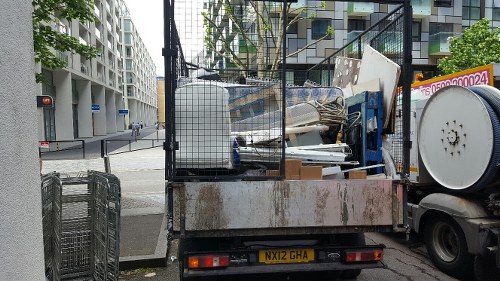
House clearance is often needed at a turning point in the life of a property. It may be part of a move, the handover of a family home, a refurbishment project or the process of making a property ready for sale or letting. In these situations, the clearance work needs to be tidy, respectful and organised so the space can move on without unnecessary delay. We provide a practical service that focuses on removing the contents that are no longer required.
Where a property contains a mixture of long-term belongings and recent household items, the job benefits from a structured room-by-room method. That helps avoid confusion between items that are being retained, items that are being redistributed and items that should be removed as part of the clearance. The work can be carried out in stages where needed, which is useful if there are family members, agents or contractors who need time to review the remaining contents.
In some cases the most difficult part of the process is deciding what should happen first. A sensible approach is to begin with the largest spaces or the rooms that affect access, then move through the property in an orderly sequence. That way, remaining items are less likely to be disturbed and the property becomes easier to assess as the clearance progresses. If you already know the main items involved, now is a good time to request a quotation and outline the scope.
Pricing, Access and What Shapes the Job
Clearance prices are usually shaped by a combination of labour, load size, access and the type of items involved. A ground-floor property with straightforward access may be quicker to work through than a home with narrow stairs, a tight hallway or items stored across multiple floors. Likewise, a room full of lightweight contents takes a different amount of effort from a collection of heavy furniture, dismantled fittings and mixed household waste. These practical differences matter more than any simple headline estimate.
We do not treat every clearance the same because the work itself is rarely identical. A careful quotation should reflect the actual task, not just the postcode or the number of rooms. That is why it helps to describe the property honestly and include anything unusual, such as fragile access routes, items that must be taken apart, or contents stored in lofts and outbuildings. When the scope is clear from the start, the result is easier to plan and easier to complete well.
For many customers, the decision comes down to whether a room needs a basic tidy-out or a deeper removal of unwanted contents. The right choice depends on the state of the property and the time available. If you want to compare options, consider the following before sending an enquiry:
- which rooms are included
- whether furniture is staying or going
- how much sorting is needed
- any access issues
- items that need special handling
About Aldershot
Aldershot is a town in north-east Hampshire, set within the borough of Rushmoor and closely associated with the wider Blackwater Valley. Its identity was transformed in the nineteenth century, when the establishment of Aldershot as a military town brought new barracks, roads and civic development to what had been a much smaller settlement. The legacy of that history remains visible in the built environment, local institutions and the scale of the town compared with the surrounding area. While the modern town is more varied than its military origins might suggest, that past still shapes the character of its streets and open spaces. The town centre combines retail, leisure and transport links, while nearby neighbourhoods and older routes reflect different phases of growth. Aldershot railway station connects the town to the wider region, and the surrounding landscape includes the parks, commons and green edges typical of this part of Hampshire. One of the best-known local open spaces is the expansive Aldershot Park, while the nearby Military Museum offers context for the town’s long association with the Army. The Wellington Statue, a prominent local landmark, also reflects that heritage and stands as one of the most recognisable public features in the area. Elsewhere, civic and cultural life is supported by venues and sports facilities that serve both local residents and visitors. The town therefore combines a practical everyday function with traces of a more distinctive history, giving it a layered character that is visible in both older and newer parts of the settlement.
Responsible Removal and Sorting

A well-run house clearance does more than move objects out of a property. It also creates an orderly route for sorting different kinds of material so that reusable items, recyclable materials and general waste are handled appropriately. We work with that practical aim in mind. Where items can be separated before removal, the process becomes easier to manage and the property is left in a cleaner, more coherent state. This is especially important when a home contains a blend of furniture, soft furnishings, packaging and miscellaneous stored belongings.
Mixed contents often include items with different destinations, and it is useful to think about that early. Some objects may be suitable for reuse, some may be recyclable depending on their materials, and some will simply need to be removed as part of the clearance. We do not promise that every item can be treated the same way, because the contents of each property are different. What we can do is apply a consistent process that aims to keep the removal responsible and the work straightforward.
For customers who want to minimise disruption, it is often best to keep the clearance focused on the agreed rooms and items. Once a property has been divided into clear areas, the job is easier to track and the risk of accidental removal is reduced. That matters in occupied homes, shared properties and places where only part of the contents are being cleared. A careful method keeps the work controlled, which is especially useful when several decisions need to be made during the same visit.
Furniture Clearance, Household Waste and Final Steps
Furniture clearance often sits alongside broader household waste removal because a home usually contains more than one kind of item. We can remove furniture, broken household goods and other unwanted contents as part of the same clearance, provided the scope is agreed in advance. This makes the service practical for properties that contain a mixture of old furnishings and general waste from years of ordinary use. The aim is to complete the removal cleanly and leave the property in a more manageable condition.
Some customers only need a final sweep after a longer period of sorting, while others want the entire task handled in one structured visit. Either approach can work, as long as the contents and access arrangements are understood beforehand. If items are split across rooms, the work can be paced accordingly. If there are larger pieces that need dismantling, that should be included in the plan so the removal can proceed without guesswork or repeated handling.
When you are ready to arrange the next step, keep the enquiry brief but informative and include the main rooms, the type of items and any access concerns. Then make your final request clearly: request a quotation. If you only need a simple first step, you can also gather the room list and decide what should stay before sending it over.
Why a Structured Clearance Makes a Difference

A structured house clearance is often the difference between a rushed job and a result that leaves the property genuinely usable. By dealing with each room in turn, separating bulky items from smaller contents and keeping clear notes about what is staying, the process becomes more controlled. That matters whether the property is large or small, occupied or empty, lightly furnished or full of long-kept belongings. Order at the start usually leads to a cleaner finish at the end.
It can also reduce stress for everyone involved. When the scope is clear, the day’s work is easier to manage and there is less need to stop and reconsider basic questions about access, lifting or item categories. We aim to make the removal itself straightforward, with enough flexibility to handle the natural variety found in domestic properties. In practice, that means a service shaped around the contents rather than a one-size-fits-all approach.
If you need house clearance in Aldershot, the simplest next step is to outline the rooms, list the main items and say what needs to remain in place. That gives a useful basis for planning and quotation. Send the details when you are ready, and we can help turn an overcrowded property into a clear, workable space.