
House Clearance Aldershot — Health & Safety Policy
We are committed to maintaining the highest standards of health and safety in all house clearance and rubbish removal activities across our service area. This policy sets out how our clearance team manages risks associated with domestic and commercial clearances, waste collection and disposal, and site clearance operations. It applies to all staff, contractors and anyone affected by our work and is designed to support safe, legal and environmentally responsible waste management by our household clearance and rubbish company services.Responsibilities and Scope
The management team accepts overall responsibility for health and safety. Line managers and supervisors are responsible for ensuring safe working practices on each job, including rubbish collection points and van loading. Staff must follow procedures, report hazards and use issued personal protective equipment (PPE). All employees will be made aware of this policy and will receive training proportionate to their duties. This policy covers house clearance services, waste removal operations and related transport and handling activities within the wider service area.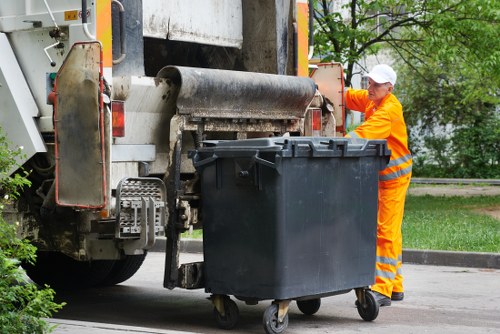
Risk Assessment and Control Measures
Before every clearance, a formal risk assessment will be carried out to identify hazards such as sharps, asbestos suspicion, unstable furniture, biological contamination and manual handling risks. Controls include task-specific safe systems of work, exclusion zones, and mandatory PPE such as gloves, hi-vis, eye protection and safety boots. Where specialist hazards are suspected, we will suspend activity until qualified remediation or specialist removal is arranged. Our rubbish collection teams are trained to recognise and segregate hazardous items from general waste.Training, Competence and Communication
Training is continuous and recorded; it covers safe lifting techniques, secure loading, vehicle safety, manual handling, and working at heights when necessary. Induction training includes site-specific instructions and an overview of our emergency procedures. Regular toolbox talks reinforce safe practice and the importance of reporting near misses. Clear, consistent communication is essential for effective rubbish removal and house clearance operations across the region, and supervisors will ensure teams understand job briefs and safety controls.
Waste Segregation and Environmental Considerations
We operate to minimise landfill and encourage reuse and recycling. Waste types are segregated on-site where feasible — recyclable items, bulky waste, electricals, and general refuse are separated to reduce environmental impact. The policy emphasises responsible disposal routes and adherence to local authority recycling requirements. Staff are instructed on correct handling of e-waste, batteries and fluids so that our waste removal and rubbish recycling processes meet environmental standards while keeping workers safe.Safe working procedures are documented and include the following key measures:
- Pre-job risk assessment and site briefing before any clearance task begins.
- Use of mechanical aids (trolleys, dollies) to reduce manual handling.
- Clear marking of trip hazards and maintenance of tidy working areas to prevent slips and falls.
- Appropriate segregation of waste streams for recycling and legal disposal.
- Vehicle safety checks and secure load restraining to protect staff and the public during transit.
Equipment, Vehicles and Maintenance
All tools, lifting equipment and vehicles used in house clearances and rubbish collection are inspected and maintained to a documented schedule. Defects are reported and rectified before equipment is returned to service. Drivers and operatives must complete pre-shift vehicle checks and ensure loads are secure and safe for transport. Our vehicle policies promote safe driving, correct weight distribution and compliance with road safety requirements while performing waste collection and removal tasks across the service area.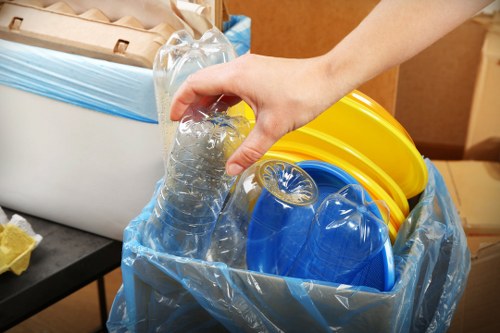
Incident Reporting, First Aid and Emergency Arrangements
Incidents, injuries and near misses must be reported immediately and recorded. First aid equipment is available on-site and in vehicles, and trained first aid responders are designated for each team. Emergency procedures include secure cordoning, suspension of work when hazards are uncontrolled, and escalation to management for specialist intervention. We undertake regular reviews of incidents to identify root causes and implement corrective actions to prevent recurrence.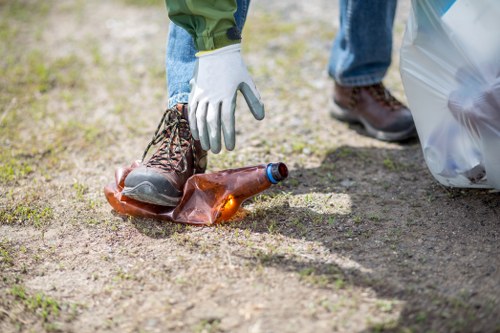
Monitoring, Review and Continuous Improvement
This health and safety policy is reviewed at least annually and whenever significant operational changes occur. We monitor compliance through inspections, audits and hands-on supervisor checks during house clearance and bulky rubbish collection activities. Feedback from operatives and customers contributes to ongoing improvements. Our commitment is to foster a culture where health and safety is integral to every clearance, waste removal and rubbish management task, ensuring safe outcomes for staff, clients and the community while maintaining high standards of environmental responsibility.Policy adoption: This document is issued as the statement of our approach to health and safety for house clearance and rubbish company services. All personnel are expected to read, understand and apply the principles within in order to protect themselves, their colleagues and the public.
