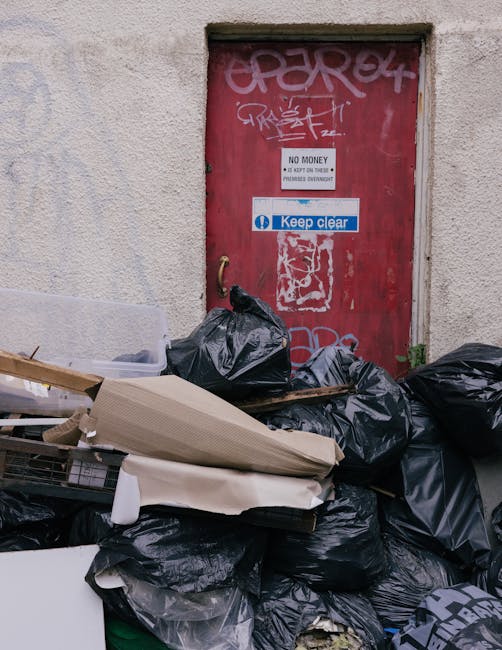
Aldershot fly tipping fines and authorised rubbish removal: what to know before you leave anything behind
If you are dealing with dumped waste, an overfilled garage, building rubble, or a pile of broken furniture that needs shifting fast, the difference between a lawful clearance and fly-tipping is bigger than most people realise. With Aldershot fly tipping fines and authorised rubbish removal, the stakes are simple: use the wrong route and you could end up facing a fine, a complaint, or a very awkward call from the council. Use the right one, and the job gets cleared safely, properly, and without the stress.
That sounds blunt, but it is true. A lot of people do not set out to do the wrong thing. They just want the waste gone by Friday evening, ideally before the smell starts, or before a landlord inspection, or before builders arrive on Monday. This guide explains how fly tipping fines work in practice, what counts as authorised rubbish removal, and how to make a sensible choice in Aldershot without overcomplicating it.
Table of contents
- Why Aldershot fly tipping fines and authorised rubbish removal matters
- How Aldershot fly tipping fines and authorised rubbish removal works
- Key benefits and practical advantages
- Who this is for and when it makes sense
- Step-by-step guidance
- Expert tips for better results
- Common mistakes to avoid
- Tools, resources and recommendations
- Law, compliance, standards and best practice
- Options, methods or comparison table
- Case study or real-world example
- Practical checklist
- Conclusion
- Frequently asked questions
Why Aldershot fly tipping fines and authorised rubbish removal matters
Fly tipping is not just "messy waste in the wrong place". It is illegal dumping, and it creates a chain of problems that spreads well beyond the original pile. It can block access, attract vermin, damage local streets and countryside, and create a nasty clean-up burden for neighbours, landlords, businesses, and the council. In a town like Aldershot, where residential streets, shared access roads, and commercial spaces sit close together, a single careless disposal decision can ripple out quickly.
What makes this topic especially important is that many waste problems begin with a small shortcut. Someone hires the cheapest option, skips the paperwork, or hands material to a man-with-a-van who cannot prove where it will go. Then the waste turns up on a verge, in a layby, or behind a block of flats. If it can be traced back to you, the fine or enforcement headache may land in your lap. Not ideal. Not even slightly.
Authorised rubbish removal gives you the opposite outcome. It helps ensure waste is collected, transported, and handled through a legitimate route. That means better control, more accountability, and a much lower chance of finding yourself in a mess that is bigger than the original job. For homeowners, landlords, builders, and local businesses, it is often the difference between a straightforward clearance and an expensive clean-up followed by a long apology.
Expert summary: If the waste has value, volume, awkwardness, or any chance of being traced back to you, treat disposal as a compliance decision, not just a tidying task. That mindset saves trouble.
How Aldershot fly tipping fines and authorised rubbish removal works
In practical terms, fly tipping enforcement usually begins when waste is found somewhere it should not be. Local authorities investigate where they can, and if evidence suggests the waste came from a household, business, contractor, or unlicensed carrier, that may lead to a warning, a fixed penalty, prosecution, or other enforcement action depending on the circumstances. The exact process can vary, but the principle is consistent: if you arranged, carried, or caused the waste to be dumped unlawfully, you may face consequences.
Authorised rubbish removal works differently. You book a legitimate clearance, the waste is collected from your property or site, and the provider takes responsibility for transport and onward handling within the rules that apply to that work. It sounds basic, but the value is in the chain of custody. You know who removed the waste, when they removed it, and that it was taken away through the proper route.
Here is where people get caught out: "authorised" is not the same as "someone who says they'll do it cheap." A valid clearance service should be able to explain what happens to your waste, how it is sorted, and how different materials are dealt with. If you are clearing mixed items, rubble, furniture, garden waste, or office clutter, that matters. Quite a lot, actually.
There is also a common misunderstanding about responsibility. Handing waste to someone does not automatically remove your duty of care. If the carrier is not legitimate or the disposal route is dubious, that can still come back to bite you. This is why many people prefer to work with a recognised rubbish removal service rather than improvising with a van, a lock-up, and hopeful thinking.
Key benefits and practical advantages
Choosing authorised rubbish removal is not only about avoiding fines. It brings a set of practical advantages that are easy to appreciate once you have lived through a bad clearance day. You know the type: dusty floorboards, a stubborn wardrobe, a broken fridge humming in the corner, and no one wanting to decide where the old carpet goes. The right service reduces friction.
- Lower legal risk: You reduce the chance of becoming linked to illegal dumping.
- Cleaner handover: Ideal for landlords, agents, tenants, and property sellers who need spaces ready quickly.
- Safer lifting and loading: Heavy or awkward items are moved without amateur injuries or damaged walls.
- Better sorting: Reusable, recyclable, and residual waste can be separated more sensibly.
- Less disruption: You are not juggling skip permits, repeated tip runs, or borrowed trailers.
- More predictable outcome: What leaves your property actually leaves your life. Which is refreshing, honestly.
For many customers, the real benefit is peace of mind. You do not have to wonder whether the waste is being dumped in a hedge somewhere. You do not need to keep calling around asking who will take a sofa, or whether the builders' debris can be mixed with garden waste. The job is clear, and the end point is too.
If your project involves a property-wide clear-out, it can also help to look at a broader service such as house clearance or home clearance, especially when you are dealing with multiple rooms rather than one-off items.
Who this is for and when it makes sense
This topic matters to more people than you might expect. It is not only for landlords or builders. In real life, it comes up for all sorts of people in all sorts of slightly messy situations.
Homeowners often need help after a move, renovation, bereavement, loft clear-out, or years of "we'll sort that later" clutter. If there is a garage full of old appliances, a shed with rotting timber, or a sofa that simply will not fit through the hall, authorised clearance starts to look less like a luxury and more like common sense.
Tenants and landlords need fast, lawful removals when a property has been left with furniture, rubbish bags, or garden debris. A flat that should have been handed back on Monday can easily become a problem by Wednesday if the waste has not been removed properly. For smaller living spaces, flat clearance can be particularly useful because access and stairwells make removal trickier than people expect.
Tradespeople and contractors need an efficient way to deal with builders' waste without turning a worksite into a hazard zone. Broken plasterboard, timber, tiles, old fittings, and packaging can build up fast. That is where builders waste clearance or a more general waste removal approach can save time and reduce the risk of improper disposal.
Businesses and office managers may need a lawful route for desks, chairs, archive material, or old equipment. In many cases, office clearance or business waste removal is the right choice, especially if you are balancing confidentiality, access, and deadlines.
Garden and garage clear-outs also fit into this picture. Green waste is not the same as mixed waste, and old tools, broken furniture, and bags of soil need different handling. If the job is outdoors and bulky, garden clearance or garage clearance can keep things tidy and legally sound.
Step-by-step guidance
If you want to stay on the right side of Aldershot fly tipping fines and authorised rubbish removal rules, a methodical approach works best. No drama, no guesswork.
- Identify the waste type. Separate furniture, general household waste, garden waste, electrical items, and builders' materials. Mixed waste can be handled, but it should be declared honestly.
- Estimate the volume. A few bags is not the same as a full room or a van-load. If you are unsure, take photos and be realistic. Everyone underestimates volume at first. It happens.
- Check access. Narrow stairs, side gates, parking restrictions, or multiple floors can affect how a clearance is carried out.
- Choose the right service. Match the job to the property: house clearance, loft clearance, furniture disposal, or specialist builders' waste removal.
- Ask what happens next. A trustworthy provider should explain how items are loaded, sorted, and taken away.
- Confirm the quote and scope. Make sure the price covers the job you actually need, not the job you wish you had.
- Keep your evidence. Save booking details, invoices, and any communication in case you ever need to show the waste was removed lawfully.
That last step is simple, but useful. If anything later needs explaining, good records make life much easier. They do not need to be fancy. Just clear.
Expert tips for better results
A few small decisions can make a huge difference here. In our experience, the smoother jobs are rarely the ones where people have done everything perfectly. They are the ones where someone stopped long enough to think through the awkward bits.
Tip 1: sort what you can before the team arrives. If you separate reusable items, cardboard, and obvious rubbish, the job usually moves faster. It also makes it easier to direct items into the right disposal stream.
Tip 2: photograph the waste before collection. This is especially helpful for large loads, end-of-tenancy clearances, or anything with disputed contents. A quick phone picture can save a lot of back-and-forth later.
Tip 3: watch for access bottlenecks. A collection route that looks easy in daylight can feel very different when a van is parked across a tight street and a mattress needs to come down two flights of stairs. Small issue, big effect.
Tip 4: be honest about what is included. Hidden waste in sheds, lofts, cupboards, or under tarps can change the scale of the job. Transparency protects you from surprise charges and prevents misunderstandings.
Tip 5: think about what should be kept, not just what should go. During a clear-out, it is easy to accidentally bin documents, spares, tools, chargers, or sentimental items. Take a pause before the last sweep.
If sustainability matters to you, it is also worth asking how the provider handles recovery and sorting. A service with a clear recycling and sustainability approach may be a better fit for mixed clearances where reuse and recycling can reduce the amount going to disposal.
Common mistakes to avoid
Most fly tipping problems are not born from malicious intent. They start with a shortcut, a half-truth, or a poor choice on a busy day. Here are the big ones.
- Assuming the cheapest option is safe. Low cost is fine if the service is lawful and clear. It is not fine if the waste disappears into a mystery.
- Giving waste to an unverified carrier. If someone cannot explain what happens next, that is a warning sign.
- Mixing hazardous or special items with general waste. Paint, chemicals, batteries, and certain electricals need careful handling.
- Leaving waste near a public boundary. A pile that sits at the kerb or alleyway can create confusion over ownership and timing.
- Not checking service scope. A quote for one room is not the same as a whole-house clear-out. Obvious, yes, but people get caught by it all the time.
- Forgetting about access and parking. This can cause delays or extra costs if the team cannot safely load the waste.
One slightly awkward truth: a lot of "it'll be fine" decisions are made five minutes before closing time. That is usually when mistakes happen. Better to stop, breathe, and ask the boring questions.
Tools, resources and recommendations
You do not need a toolkit the size of a builder's yard, but a few practical items make clearance smoother and safer.
- Heavy-duty gloves for handling rough or dusty waste.
- Bin bags or rubble sacks for separating lightweight and heavier materials.
- Labels or tape if you are sorting keep, donate, recycle, and remove.
- A tape measure for large furniture or awkward items that need to come through doorways.
- A phone camera for documenting the site before and after.
- Basic floor protection if items are being moved through finished interiors.
For customers who need a focused disposal route, specific pages such as furniture disposal and furniture clearance can be useful when the job is mainly sofas, wardrobes, tables, or mixed household pieces.
If you are comparing providers, ask practical questions rather than salesy ones. For example: What types of waste do you handle? How is mixed load pricing explained? What happens to reusable items? How do you manage access problems? A good provider should answer calmly and plainly. If they dodge the questions, that tells you enough.
Law, compliance, standards and best practice
When the topic is fly tipping and rubbish removal, compliance matters more than people sometimes like to admit. In UK practice, waste should be handled by legitimate operators, and householders and businesses both have responsibilities around how waste is transferred. The details can vary depending on whether the waste is domestic, commercial, or from building work, so the safest approach is to use a service that can explain its process clearly and responsibly.
Best practice usually includes the following:
- using a lawful carrier for collection and transport
- sorting waste where practical before removal
- keeping evidence of collection and payment
- avoiding unverified cash-only disposal deals that seem too casual
- separating materials that need different handling
- ensuring access and loading methods do not create hazards for neighbours or the public
For businesses, there is extra reason to be careful. Waste from offices, shops, and work sites can include confidential materials, electrical equipment, and items that need a proper audit trail. A service such as business waste removal should feel structured, not improvised.
Health and safety also matters. Moving bulky items through stairwells, gardens, and tight hallways is not trivial work. A provider that takes this seriously should be able to speak sensibly about handling, lifting, and site safety. If you want a better sense of that side of the work, the site's health and safety policy and insurance and safety information can help set expectations.
There is also a wider trust angle. Reading a company's terms and conditions, checking how it handles payment and security, and understanding its about us approach can give you a clearer picture of how it works in practice. Not glamorous, I know. But worth it.
Options, methods or comparison table
Different situations call for different disposal methods. Here is a simple comparison to help you think it through.
| Option | Best for | Advantages | Watch out for |
|---|---|---|---|
| DIY tip run | Small, manageable loads with a suitable vehicle | Can be economical for minor clearances | Time-consuming, lifting risk, possible disposal mistakes |
| Skip hire | Ongoing building work or large domestic projects | Good for repeated loading over several days | Space required, permit considerations, mixed waste restrictions |
| Unverified van clearance | Tempting on price, but should be avoided unless fully legitimate | Fast and informal on the surface | Higher fly tipping risk and weaker accountability |
| Authorised rubbish removal | Most household, office, garden, garage, and builders' clearances | Lower risk, less hassle, proper handling | Needs clear scope and a trusted provider |
For a lot of readers, the last option is the sweet spot. It is not always the cheapest headline price, but it is often the most sensible overall once you factor in time, lifting, compliance, and peace of mind. Truth be told, that is usually what people are paying for.
Case study or real-world example
A fairly typical Aldershot scenario goes like this. A family clears a house after a move and ends up with a sofa, a broken wardrobe, several bin bags, and a damp garden shed full of old paint tins and bits of timber. They start by trying to break it into smaller pieces themselves. Then they realise the hallway is too narrow, the shed contents are more awkward than expected, and they do not really know what to do with the paint tins. The pile sits there for a week. It starts to feel like part of the house.
Instead of leaving it near the curb or hoping someone will take it cheaply, they arrange an authorised clearance. The load is assessed, the items are removed in one visit, and the materials are separated so the usable and recyclable parts do not just become a mystery heap. The garden is back to normal by the next afternoon. The smell of old wet timber goes with it. Small win, big relief.
That example matters because it shows the difference between "getting rid of waste" and "getting rid of a problem properly". One creates risk. The other reduces it.
Practical checklist
Use this before booking any removal job.
- Have I identified exactly what needs removing?
- Have I separated keep, donate, recycle, and dispose items?
- Do I know whether any items need special handling?
- Have I checked the access route, parking, stairs, and doorway sizes?
- Have I asked how the waste will be handled after collection?
- Do I have written confirmation of the job scope and cost?
- Have I kept photos or notes of the waste before collection?
- Have I chosen a service that looks transparent and legitimate?
- Do I understand what is included and what is not?
- Will the collection leave the site safe and tidy afterwards?
If you can tick most of those off, you are in a much better position. And if a few boxes are missing, pause and fill them in. It saves trouble later. Usually a lot of trouble.
Conclusion
Aldershot fly tipping fines and authorised rubbish removal is really about one core choice: do you want a waste problem that might come back to haunt you, or a clean and lawful route that simply gets the job done? That is the question underneath everything else.
When the waste is small, clear, and manageable, the decision may be easy. When it is bulky, mixed, awkward, or time-sensitive, the value of a legitimate clearance service becomes obvious fast. The right approach protects you, protects your property, and helps keep waste out of places where it should never end up.
Take a steady approach, ask the sensible questions, and keep records. That is usually enough to avoid the usual headaches. And once it is all gone, the space feels lighter. You notice it immediately.
Get a free quote today and see how much you can save.
Frequently Asked Questions
What counts as fly tipping in Aldershot?
Fly tipping generally means dumping waste somewhere it is not allowed to go, such as on land, in alleyways, on verges, or beside bins. Even a small bag left in the wrong place can become an issue if it is treated as unlawful disposal.
Can I be fined if I paid someone to remove my rubbish?
Yes, potentially. If you used an unverified carrier and the waste was later dumped illegally, responsibility can still come back to you. That is why using a legitimate removal service matters.
What makes rubbish removal "authorised"?
Authorised rubbish removal is carried out by a legitimate provider that collects, transports, and handles waste through a proper route. It should be clear about what happens to the waste after it leaves your property.
Is a cheap man-and-van clearance risky?
It can be. Cheap is not automatically bad, but if the provider cannot explain where the waste goes or how it is handled, the risk is higher. Transparency matters more than a catchy price.
What should I do if I find dumped waste on my land?
Do not move it around casually if you are unsure what it contains. Photograph it, note the location, and arrange lawful removal. If you think it may be hazardous, get advice before handling it.
Do householders and businesses face the same risk?
The exact duties can differ, but both householders and businesses need to be careful about how waste is handed over and removed. Businesses usually have more to think about because of volume, records, and different waste types.
Can furniture and mixed household rubbish be removed together?
Often, yes. Mixed loads are common, especially during house clearances. The key is to describe the items honestly so the provider can handle them correctly and price the job properly.
What if I only have a few items?
Even a small load can be worth arranging properly if it includes bulky furniture, awkward items, or waste you cannot safely take yourself. Small does not always mean simple.
How do I avoid a fly tipping fine when clearing a property?
Use a legitimate clearance provider, keep written confirmation, avoid dumping waste at the roadside, and make sure you know what is being removed. A little paperwork goes a long way.
Is it better to hire a skip or book rubbish removal?
It depends on the job. A skip can suit ongoing building work, while rubbish removal is often easier for one-off household, garage, loft, or office clearances. The best option is the one that matches the waste and the access.
Can garden waste be included in a general clearance?
Usually yes, though it may need to be grouped correctly with other materials. Soil, branches, fencing, and green waste can all affect how the load is handled.
What should I ask before booking a clearance service?
Ask what waste they take, how they handle mixed loads, what happens after collection, what is included in the quote, and whether access or parking might affect the job. Straight questions get straight answers.
For anything more specific about the company, its services, or its policies, it can also help to review the relevant pages on contact us, pricing and quotes, and recycling and sustainability.