Tips for Properly Recycling Metal and Nonstick Cookware

Tips for Properly Recycling Metal and Nonstick Cookware aren't just nice-to-know blueprints for a tidy kitchen--they're a quiet act of climate action. If you've ever stood over the bin with a dented frying pan, wondering what on earth to do with it, you're not alone. Pans feel too heavy to throw away, too awkward to donate, and--let's face it--no one wants to stockpile broken lids "just in case." This guide turns that confusion into confident action, with expert advice, UK-focused rules, and practical steps you can do this weekend.
We'll cover how to sort by metal, what to do with nonstick coatings like PTFE (Teflon), which parts to remove, where to take everything, and smart ways to reuse before you recycle. Expect real-world examples, nuanced tips, and a clear plan you can print. On a rainy Tuesday in London or a bright Saturday in Leeds--you'll be ready.
Table of Contents
- Why This Topic Matters
- Key Benefits
- Step-by-Step Guidance
- Expert Tips
- Common Mistakes to Avoid
- Case Study or Real-World Example
- Tools, Resources & Recommendations
- Law, Compliance or Industry Standards (UK-focused)
- Checklist
- Conclusion with CTA
- FAQ
Why This Topic Matters
Cookware is built to last--steel that sings on the hob, aluminium that heats in a blink, enamel that holds Sunday stew like a promise. But when handles wobble, nonstick flakes, or lids chip, people get stuck. Can you recycle a nonstick frying pan? Is that old cast-iron pot destined for the tip? Truth be told, most metal cookware can be recycled, and even nonstick pots and pans often have solid options if you know where to look.
Why it matters now: the UK's waste system is evolving, councils have clearer guidance, and retailers increasingly run take-back schemes. Recycling metal saves serious energy--aluminium recycling can save up to about 95% of the energy compared to primary production; steel recycling saves roughly 60-70%. That's not small change; that's measurable climate impact you can feel good about.
There's also health and safety. Many households still own older nonstick pans made before today's stricter standards. While PTFE (Teflon) coatings themselves are generally stable under normal cooking conditions, PFOA--once used in making certain coatings--has been phased out. Knowing how to responsibly retire a pan is, to be fair, a modern life skill. And if you're wondering, yes--recycling metal and nonstick cookware properly also saves you cupboard space and the odd knuckle bash when a pan avalanche hits at 7 a.m.
One more thing: we're in this together. Every pot, every pan adds up. Clean, clear, calm. That's the goal.
Key Benefits
- Environmental wins: Recycling metal reduces greenhouse gas emissions and conserves raw materials. Aluminium and steel are near-perfect candidates for closed-loop recycling.
- Space reclaimed: Proper disposal clears cabinets and drawers. You'll actually be able to find the pan you love on a Monday morning.
- Potential cash back: Some scrap yards pay by weight for metal cookware; many retailers offer trade-in or discount schemes on returns (for example, UK pan recycling programmes at select stores).
- Safety and hygiene: Retiring heavily scratched nonstick pans prevents flaking, reduces confusion in the kitchen, and keeps your cooking tools in top shape.
- Simpler moves and refits: When you move house, downsize, or upgrade to induction, a clear cookware plan saves time (and stress).
- Community benefit: Quality items can be donated to charity, community kitchens, or student housing if they're still usable.
Step-by-Step Guidance
This is the heart of our expert guide to Tips for Properly Recycling Metal and Nonstick Cookware. Take it step by step, no rush. Put the kettle on, grab a screwdriver, and let's sort it.
1) Audit Your Cookware Drawer (or That Tippy Pan Stack)
- Spread out everything on a table or clean floor. Group by type: frying pans, saucepans, stockpots, baking trays, lids, accessories.
- Assess condition: Keep what you truly use. Set aside damaged, warped, heavily scratched, or mismatched items for recycling or donation.
- Separate by material: Stainless steel, aluminium, cast iron, copper, carbon steel, nonstick-coated aluminium/steel, enamelled cast iron, glass lids, silicone handles.
A micro-moment: You pick up that old skillet from your student days--the handle squeaks; you remember midnight stir-fries. Smile, then decide. Keep for camping, or time to retire.
2) Identify Metals Quickly (Magnet Test, Weight, and Feel)
- Magnet test: A small fridge magnet is your best friend. It sticks to most carbon steel and many stainless-steel pans; it won't stick to aluminium or copper.
- Weight check: Cast iron is heavy and dark; aluminium is much lighter; copper has a warm reddish sheen; stainless steel feels solid with a cooler silver tone.
- Construction clues: Many pans list the material on the base (18/10 stainless, hard-anodised aluminium). If you're unsure, note it for the recycling centre staff.
3) Prep for Recycling: Remove Mixed Materials
Metal recyclers prefer clean metal streams. Remove non-metal components where safe and reasonable:
- Unscrew plastic or wood handles (use a screwdriver or hex key). Keep screws in a jar; you'll never know when they'll help with flatpack furniture, eh.
- Pop off silicone grips and discard in general waste if not reusable.
- Separate glass lids from metal rims. Many UK councils do not accept cookware glass in bottle banks because it's tempered; check your local Household Waste Recycling Centre (HWRC) guidance.
- Remove rubber gaskets from pressure cooker lids; these are typically not recyclable curbside.
4) Clean Off Excess Food or Grease
- Give recyclable metal a quick degrease to avoid contamination. Use hot water, a drop of washing-up liquid, and a scrub brush.
- Don't fuss over perfection: light staining is fine. You're just avoiding a greasy mess.
It was raining hard outside that day, and you could almost smell the metal as you scrubbed--a crisp, steely scent. Sounds odd, but satisfying.
5) Decide: Reuse, Donate, or Recycle
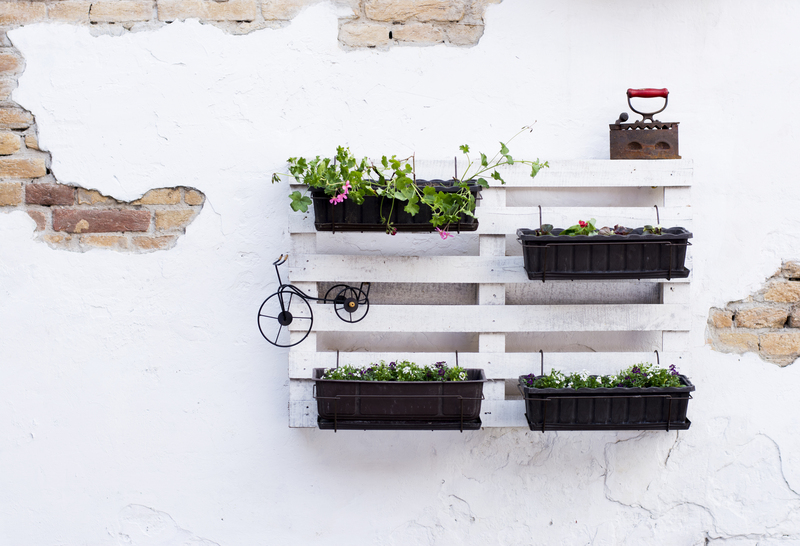
- Reuse: Old metal pans can become planters, camping pots, or storage for paintbrushes and tools. Cast iron can often be re-seasoned.
- Donate: If nonstick surfaces are intact and handles secure, local charities, community kitchens, or student unions may accept them. Call ahead--many UK charity shops won't take cracked or deeply scratched nonstick cookware.
- Recycle: Take broken or heavily worn items to a Household Waste Recycling Centre (HWRC) or a licensed scrap metal dealer. Some retailers also run in-store pan recycling schemes.
6) Where to Take Metal and Nonstick Cookware in the UK
- HWRCs: Most UK councils operate recycling centres that accept metal items, including pots, pans, and baking trays. Put them in the metal skip when directed by staff.
- Scrap metal dealers: Ferrous and non-ferrous metals are welcome; some yards accept pans with nonstick coatings, others don't--call ahead. Bring ID due to the Scrap Metal Dealers Act (cashless payments only).
- Retail take-back: A few cookware retailers offer pan recycling--bring your old pans and they'll be sent for metal recovery. Some schemes include a small discount on new items.
7) Special Considerations for Nonstick (PTFE, Ceramic, Anodised)
- PTFE (Teflon) coating: Most nonstick pans are aluminium or steel beneath. Many recyclers shred and process the metal; coatings are removed during recovery or managed as residues. Always check your recycler's policy.
- Ceramic-coated pans: Ceramic is fused to metal; it's fine to recycle as metal in most cases.
- Hard-anodised aluminium: Still recyclable as aluminium.
- Heavily flaking coatings: Don't donate. Recycle the metal base if accepted; otherwise, use a retailer scheme or HWRC guidance.
8) Don't Forget Lids and Accessories
- Metal lids: Recycle as scrap metal once the knob and gasket are removed.
- Glass lids: Tempered glass is not the same as bottle glass; check HWRC instructions--some accept it in a general non-recyclable skip, others in a separate container.
- Pressure cooker parts: Metal bodies recycle; valves and rubber rings typically do not.
9) Transport and Drop-Off
- Bundle safely: Place cookware in reusable bags or boxes. Watch sharp edges and broken glass.
- At the HWRC: Ask staff which skip is correct. They're usually friendly and know the drill.
- At a scrap dealer: Sort ferrous vs non-ferrous if you want precise pricing; otherwise, they'll sort it for you.
10) Celebrate the Win (Seriously)
It's small, but it's good. A cupboard that closes without a fight. An old pan that becomes raw material for something new. That's progress.
Expert Tips
- Use a magnet to maximise value: Non-ferrous metals (like aluminium) often fetch a higher price than ferrous steel. Quick magnet test saves time.
- Don't burn off nonstick coatings: Dangerous and unnecessary. Coatings can release fumes at high temperatures--never attempt DIY removal by heating.
- Call ahead for nonstick: Policies vary. Some scrap yards accept PTFE-coated pans without issue; others require coating-free metal only.
- Bulk beats dribs and drabs: Wait until you have a few items to drop off; it's more efficient and, at yards, can be worth more.
- Re-season cast iron: Before you give up on a rusted skillet, scrub, dry thoroughly, and season with a thin oil layer at 180-200?C. Many come back beautifully.
- Keep receipts for warranties: Some premium cookware brands replace items with defects. Always check before recycling.
- Check induction compatibility: If switching to induction, non-magnetic aluminium pans may be redundant. Recycle or donate in one go to streamline your kitchen.
- Know the smell test: If a pan still reeks of burnt oil after a deep clean, it may be past its best. Recycle with no guilt.
- Use Recycle Now's search (UK): It's an excellent way to confirm "pots and pans" guidance per council. Simple, reliable, clear.
- Keep fingers safe: Gloves, always. A chipped lid or bent rim can cut. Not worth the drama.
Yeah, we've all been there--reaching into the cupboard and clanging ten pans before you find the right one. This is your chance to fix that soundtrack.
Common Mistakes to Avoid
- Putting pans in the kerbside recycling bin: Most councils don't accept cookware at the kerb; it belongs at an HWRC or metal recycler.
- Leaving handles attached: Mixed materials slow down processing. If you can remove them, do.
- Donating unsafe nonstick: Heavily scratched or peeling nonstick shouldn't be donated; it creates hassle for charities and risk for users.
- Assuming glass lids go with bottle glass: Tempered glass can't be mixed with jars/bottles. Always double-check.
- Trying to "repair" flaking nonstick with high heat: Please don't. It won't work and could release fumes.
- Forgetting ID at scrap yards: In the UK, dealers must verify identity and pay cashlessly.
- Over-cleaning: You don't need museum-grade shine. A quick de-grease is enough.
- Ignoring value in copper or high-grade stainless: Premium metals can be worth more--separate them if possible.
Ever tried clearing a room and found yourself keeping everything "just in case"? Cookware can feel like that. Let go of the extras. Keep the joy-makers.
Case Study or Real-World Example
Case: A North London Flat Gets Its Cupboards Back
On a grey Saturday, Priya and Jamal decided enough was enough. The pan cupboard had become a game of Jenga. Here's what they did:
- Audit: They laid out 18 items: 7 frying pans (3 nonstick, 2 stainless, 2 cast iron), 4 saucepans, 2 stockpots, 3 lids, 2 baking sheets.
- Keep vs. Go: They kept 1 cast iron and 1 stainless steel skillet, 2 saucepans, 1 stockpot, and a glass lid in perfect condition.
- Remove parts: They unscrewed loose wooden handles on two pans, removed silicone grips, and separated glass lids.
- Reuse: One stainless pan became a herb planter on their balcony--basil and mint by summer.
- Donate: A stainless pan and a clean baking tray went to a local community cooking group.
- Recycle: The rest went to the HWRC's metal skip. The staff confirmed acceptance of PTFE-coated pans in the metal bin.
- Outcome: Cupboard space regained, fewer decisions at dinner time, and a small win for the planet.
They said the best bit was the quiet after. No clatter. Just... space.
Tools, Resources & Recommendations
- Basic tools: Screwdriver set, hex keys, small adjustable spanner, pliers.
- Safety: Nitrile or work gloves, old towel, sturdy box or crate.
- Cleaning: Washing-up liquid, degreaser, scrubber, microfibre cloths.
- Magnet: For quick ferrous vs non-ferrous checks.
- Weighing: Optional luggage scale if you're tracking scrap metal weight (handy but not essential).
- Where to check guidance (UK): Your council's HWRC pages; national "Recycle Now" search for "pots and pans"; the Environment Agency's advice for household waste.
- Retailer schemes: Some UK cookware retailers operate pan recycling or trade-in programmes (watch for seasonal promotions). In our experience, staff are happy to explain the process.
- Donation pathways: Community kitchens, Freecycle-type groups, student halls, mutual aid groups. Always offer clear condition notes and photos.
Pro tip: If you're replacing pans, consider durable options--stainless steel, well-made carbon steel, or high-quality nonstick--and buy only what you use weekly. Less clutter, more joy.
Law, Compliance or Industry Standards (UK-focused if applicable)
When recycling metal and nonstick cookware in the UK, a few legal and standards-based points help you stay on the right side of the rules--and good practice:
- Waste Hierarchy (Waste (England and Wales) Regulations 2011): Prioritise prevention, then reuse, then recycling before disposal. Offering usable pans to donation networks fits the law's spirit.
- Environmental Protection Act 1990: Duty of Care: If you transport waste to an HWRC, you must ensure it's handled by authorised facilities. Stick to council sites or licensed recyclers.
- Scrap Metal Dealers Act 2013: Dealers must verify identity and use cashless payments. Bring a photo ID (e.g., driving licence) if you're selling metal cookware.
- UK REACH and PFAS considerations: PFOA (formerly used in some nonstick manufacturing) has been phased out. PTFE-coated cookware on the market today is produced under modern controls. For end-of-life, follow HWRC or licensed recycler guidance; do not attempt DIY incineration or removal.
- Electrical cookware: Electric griddles, multi-cookers, or air fryers with cooking baskets fall under WEEE (Waste Electrical and Electronic Equipment). These require specific disposal at WEEE collection points--often available at HWRCs or retailers.
- Local council variation: Recycling policies differ slightly by authority. Always check your council's website for "pots and pans" guidance. In London boroughs, metal items generally go to HWRC rather than kerbside.
Keep it simple: reuse first, recycle metal via licensed channels, and ask when unsure. Staff at local centres have seen it all.
Checklist
- Gather all pans, pots, lids, and trays in one place.
- Sort by condition: keep, donate, recycle.
- Identify metals: magnet test for ferrous vs aluminium/copper.
- Remove handles, knobs, silicone grips, and rubber gaskets.
- Wipe off heavy grease; no need to make them sparkle.
- Plan drop-off: HWRC, scrap dealer, or retailer scheme.
- Check council rules for glass lids.
- Bring ID if visiting a scrap metal dealer.
- Pack safely: gloves, sturdy box, avoid sharp edges.
- Donate only safe, intact nonstick items.
Ever felt that quiet lift in your chest after a good clear-out? You're close.
Conclusion with CTA
Recycling metal and nonstick cookware isn't complicated once you know the steps. Identify the metal, remove mixed materials, give everything a quick clean, then take it to the right place. The payoff is big: a calmer kitchen, less waste, and the satisfaction of closing the loop.
Keep these Tips for Properly Recycling Metal and Nonstick Cookware handy. Share them with a friend who keeps that wobbly handled pan "just for omelettes." And if you're upgrading, consider quality first--buy less, buy better, and make space for meals that feel easy.
Get a free quote today and see how much you can save.
Here's to cupboards that close softly and dinners that start without a clatter. Simple pleasures.
FAQ
Can I put pots and pans in my kerbside recycling bin?
In most UK areas, no. Cookware is typically not accepted in kerbside recycling. Take metal pots and pans to your local Household Waste Recycling Centre (HWRC) or a licensed scrap metal dealer instead.
How do I recycle nonstick (Teflon) pans?
Remove any handles, give the pan a quick clean, and check your HWRC or scrap dealer's policy. Many accept PTFE-coated pans with other metals; the metal is recovered during processing. Do not try to burn off the coating yourself.
Are scratched nonstick pans safe to donate?
Generally, no. If the coating is flaking or deeply scratched, it's better to recycle the pan rather than donate. Charities often decline worn nonstick for safety and hygiene reasons.
What about glass lids--are they recyclable?
Tempered glass lids cannot go in bottle banks. Some HWRCs accept them in a separate glass or general waste container. Always check your council's guidelines.
Can I sell old cookware for scrap?
Yes, many scrap metal dealers accept cookware, especially aluminium, stainless steel, copper, and cast iron. Policies vary for nonstick coatings, so call ahead. Bring photo ID due to the Scrap Metal Dealers Act 2013.
Is aluminium cookware worth more than steel at scrap yards?
Often, yes. Non-ferrous metals like aluminium and copper typically fetch higher prices than ferrous steel. Use a magnet to identify: if it doesn't stick, you may have aluminium or copper.
Do retailers in the UK offer pan recycling schemes?
Some do, and occasionally they offer discounts on new purchases when you bring old pans for recycling. Check current offers and ask in store; policies vary by retailer and season.
What should I do with the handles, knobs, and rubber gaskets?
Remove them where possible. Metal screws can join the scrap; plastic or rubber pieces usually go in general waste unless your council offers a specific route.
Can I recycle enamelled cast iron or ceramic-coated pans?
Yes, usually. The metal base is recoverable. Enamel or ceramic coatings are handled during processing. Confirm with your HWRC or scrap dealer.
How clean do pans need to be before recycling?
Just remove heavy grease and food residue. A quick wash is enough; recyclers don't need them spotless--only free from excessive contamination.
What if my pan is still in good condition but I don't need it?
Donate it. Community kitchens, student housing, or online sharing groups often welcome usable cookware, especially stainless steel or intact nonstick pans.
Is it safe to heat a pan to "strip" the coating before recycling?
No. Avoid heating nonstick above normal cooking temperatures to remove coatings. It's unsafe and unnecessary. Let licensed recyclers handle the process.
Do electric cooking devices count as cookware for recycling?
Electric appliances (like multi-cookers or electric griddles) fall under WEEE rules. Take them to designated electrical recycling points or HWRC WEEE areas.
Will recycling cookware actually make a difference?
Yes. Recycling aluminium can save about 95% of the energy required for primary production, and recycling steel saves roughly 60-70%. Over thousands of households, that impact adds up.
How can I avoid this cycle of throwing away pans every few years?
Buy durable, repairable pieces--stainless steel, cast iron, or high-quality nonstick--and avoid large sets. Choose the three or four pans you'll use every week and treat them well.
Final note: These Tips for Properly Recycling Metal and Nonstick Cookware are meant to be practical, human, and doable. Start small, do what you can, and enjoy the quiet satisfaction of a cupboard that makes sense again.